Discovering the Flavors of Wuhan:A Culinary Journey through Wuhans Signature Dishes
Welcome to the heart of China's culinary scene, Wuhan, a city that boasts a rich tapestry of flavors and a culinary heritage that spans centuries. As the capital of Hubei province, Wuhan is not only a hub of culture and commerce but also a gastronomic paradise. In this article, we will take you on a flavorful journey through some of Wuhan's most iconic dishes, exploring their history, ingredients, and the cultural significance that makes them a must-try for any food enthusiast.
Hot and Spicy Dry Noodles (热干面)
Perhaps the most iconic dish of Wuhan, hot and spicy dry noodles are a staple breakfast for locals and a symbol of the city's vibrant food culture. Made from alkaline noodles that are boiled and then tossed with a savory sauce made from sesame paste, soy sauce, and chili oil, these noodles are simple yet packed with flavor. The dish is often garnished with pickled vegetables, green onions, and sometimes a sprinkle of sesame seeds. According to local lore, the dish was created in the 1930s by a noodle vendor looking to use up leftover noodles, and it has since become a beloved part of Wuhan's culinary identity.
Three Fresh Delights (三鲜豆皮)
A true delicacy in Wuhan, Three Fresh Delights are a type of rice cake made from a thin layer of bean paste wrapped around a filling of glutinous rice, mushrooms, and meat. The dish is then pan-fried to achieve a crispy exterior while maintaining a soft, sticky interior. This dish is often enjoyed as a snack or a side dish and is particularly popular during the Lunar New Year celebrations. The name "Three Fresh Delights" refers to the three main ingredients that give the dish its unique flavor profile.
Wuchang Fish (武昌鱼)
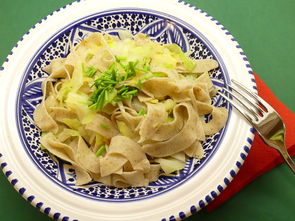
Wuchang Fish, also known as Wuchang Braised Fish, is a traditional dish that highlights the region's love for freshwater fish. The fish, typically a species native to the Yangtze River, is marinated in a mixture of soy sauce, ginger, and garlic before being braised with a variety of vegetables and spices. The result is a tender, flaky fish with a rich, savory sauce that is both comforting and deeply flavorful. This dish is often served during family gatherings and is a testament to Wuhan's culinary prowess.
Duck Necks (鸭脖)
Duck Necks are a popular street food in Wuhan, known for their spicy and addictive flavor. The necks are marinated in a potent blend of spices and chili peppers, then slow-cooked to perfection. The meat is tender and flavorful, with a slight chewiness that makes it perfect for snacking. According to market data, duck necks are one of the most sought-after snacks in Wuhan, with many vendors selling out daily.
Lotus Root Soup (莲藕汤)
A lighter option among Wuhan's hearty dishes, Lotus Root Soup is a refreshing and nutritious choice. Made from tender lotus root slices simmered in a clear broth, often with the addition of pork or chicken for extra flavor, this soup is both soothing and filling. The dish is particularly popular during the hot summer months when its cooling properties are most appreciated. Nutritional studies have shown that lotus root is rich in vitamins and minerals, making this soup not only delicious but also healthy.
Wuhan Barbecue (武汉烧烤)
Wuhan Barbecue, or "Wuhan Shaokao," is a must-try for anyone visiting the city. This style of barbecue is known for its smoky flavor and the use of a variety of meats, seafood, and vegetables. The food is marinated in a secret blend of spices and then grilled over charcoal, giving it a distinct aroma and taste. Wuhan's barbecue culture is a social one, with friends and families gathering around the grill to enjoy the meal together.
Exploring Wuhan's Culinary Scene
To truly appreciate the depth and diversity of Wuhan's cuisine, it's essential to venture beyond the well-known dishes and explore the city's food markets, street food stalls, and local restaurants. Each neighborhood has its own unique flavors and specialties, and the best way to experience them is by engaging with the locals and trying as many dishes as possible.
Conclusion
Wuhan's cuisine is a reflection of its rich history and diverse culture. From the iconic hot and spicy dry noodles to the refreshing lotus root soup, each dish tells a story and offers a taste of the city's vibrant spirit. Whether you're a local or a visitor, Wuhan's culinary scene is waiting to be discovered, with each bite promising a new adventure. So, the next time you find yourself in Wuhan, don't hesitate to dive into the flavors that make this city a true culinary gem.